Advancing Transportation with Modern Mobility Solutions

The landscape of transportation is undergoing a profound transformation. Modern mobility solutions are reshaping how people and goods move, driven by technological innovation, environmental concerns, and evolving urban demands. This shift is not merely about new vehicles or infrastructure but about creating integrated systems that enhance efficiency, sustainability, and accessibility. In this article, I will explore the key aspects of these advancements, providing clear explanations, practical examples, and actionable insights.
Understanding Modern Mobility Solutions
Modern mobility solutions encompass a broad range of technologies and strategies designed to improve transportation systems. These solutions aim to address challenges such as traffic congestion, pollution, and limited accessibility while promoting sustainability and user convenience.
Key components of modern mobility solutions include:
Electric Vehicles (EVs): Cars, buses, and bikes powered by electricity reduce reliance on fossil fuels and lower emissions.
Shared Mobility: Car-sharing, bike-sharing, and ride-hailing services optimize vehicle use and reduce the number of private cars on the road.
Autonomous Vehicles: Self-driving technology promises to enhance safety and efficiency by reducing human error.
Multimodal Transport: Integration of different transport modes (e.g., buses, trains, bikes) into seamless journeys.
Smart Infrastructure: Use of sensors, data analytics, and communication technologies to manage traffic flow and infrastructure maintenance.
Each of these elements contributes to a more flexible, efficient, and environmentally friendly transportation ecosystem.
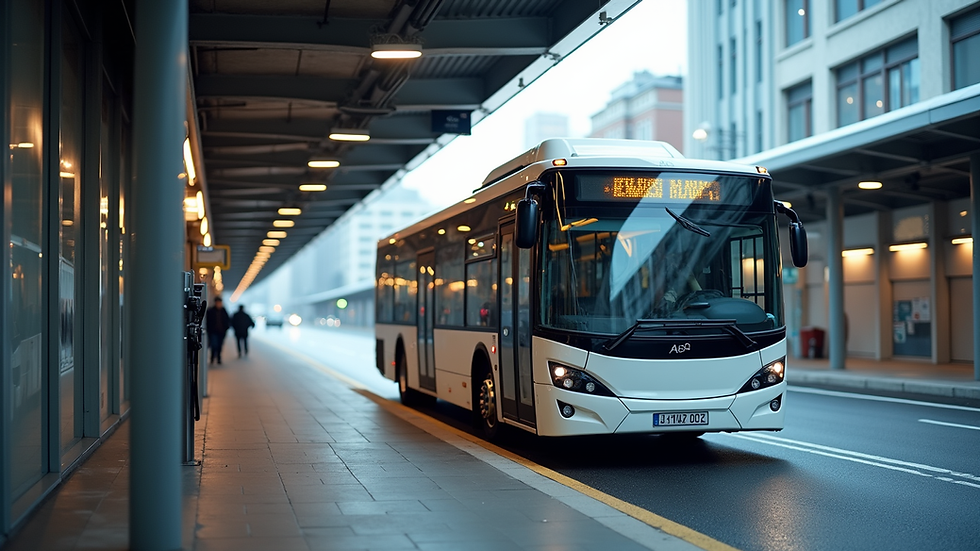
The Role of Technology in Shaping Modern Mobility Solutions
Technology is the backbone of modern mobility solutions. It enables the development and deployment of innovative systems that were unimaginable a few decades ago. Here are some of the most impactful technological trends:
Connectivity and IoT: Vehicles and infrastructure equipped with sensors and communication devices can share real-time data. This connectivity allows for dynamic traffic management, predictive maintenance, and enhanced safety features.
Artificial Intelligence (AI): AI algorithms analyze vast amounts of data to optimize routes, predict demand, and improve vehicle performance. For example, AI-powered traffic lights can adjust their timing based on current traffic conditions, reducing congestion.
Battery Technology: Advances in battery capacity, charging speed, and cost reduction have made electric vehicles more viable for everyday use. Solid-state batteries and fast-charging networks are expected to accelerate this trend further.
Mobile Applications: User-friendly apps facilitate access to shared mobility services, real-time transit information, and payment systems, making transportation more convenient and accessible.
These technologies do not operate in isolation but interact to create comprehensive mobility ecosystems that respond to user needs and environmental goals.
Environmental Impact and Sustainability Benefits
One of the primary motivations behind modern mobility solutions is sustainability. Transportation is a significant contributor to greenhouse gas emissions and urban pollution. Modern solutions aim to mitigate these effects through several mechanisms:
Emission Reduction: Electric and hydrogen-powered vehicles produce zero or near-zero tailpipe emissions, directly improving air quality.
Energy Efficiency: Shared and multimodal transport reduce the number of vehicles on the road, lowering overall energy consumption.
Urban Planning Integration: Smart mobility encourages compact, transit-oriented development, reducing the need for long commutes and preserving green spaces.
Resource Optimization: Technologies like predictive maintenance extend vehicle lifespans and reduce waste.
For example, cities that have implemented extensive bike-sharing programs and electric bus fleets report measurable improvements in air quality and reductions in carbon footprints.

Challenges and Considerations in Implementing Modern Mobility Solutions
Despite the clear benefits, the transition to modern mobility solutions faces several challenges that require careful consideration:
Infrastructure Investment: Upgrading roads, charging stations, and communication networks demands significant capital and long-term planning.
Regulatory Frameworks: Governments must develop policies that encourage innovation while ensuring safety, privacy, and equitable access.
User Adoption: Changing travel behavior is complex. People may resist shared mobility or autonomous vehicles due to concerns about convenience, safety, or privacy.
Technological Integration: Ensuring interoperability between different systems and modes is essential for seamless user experiences.
Data Security: The increased use of connected technologies raises concerns about cybersecurity and data protection.
Addressing these challenges requires collaboration among public authorities, private companies, and communities. Pilot projects, public awareness campaigns, and flexible regulatory approaches can facilitate smoother transitions.
Practical Steps to Embrace Modern Mobility Solutions
For individuals and organizations interested in advancing transportation through modern mobility solutions, several practical steps can be taken:
Evaluate Current Mobility Needs: Assess travel patterns, pain points, and environmental impacts to identify priority areas for improvement.
Explore Shared Mobility Options: Encourage the use of car-sharing, bike-sharing, and public transit to reduce reliance on private vehicles.
Invest in Electric Vehicles: Transition company fleets or personal vehicles to electric models where feasible.
Leverage Technology: Use apps and platforms that integrate multiple transport modes and provide real-time information.
Engage Stakeholders: Collaborate with local authorities, technology providers, and community groups to support infrastructure development and policy advocacy.
Monitor and Adapt: Continuously collect data and feedback to refine mobility strategies and respond to emerging trends.
By following these steps, it is possible to contribute meaningfully to the evolution of transportation systems.
Looking Ahead: The Future of Mobility
The future of transportation will be defined by continued innovation and integration. Emerging trends such as vehicle-to-everything (V2X) communication, advanced autonomous systems, and sustainable fuels will further enhance mobility solutions. Urban environments will become smarter, with transportation systems that adapt dynamically to user needs and environmental conditions.
It is essential to maintain a balanced perspective, recognizing both the opportunities and challenges. The goal is to create transportation networks that are not only efficient and sustainable but also inclusive and resilient.
For those interested in staying informed about these developments, I recommend following a dedicated mobility solutions blog that offers in-depth analysis and updates on the latest trends and technologies.
By embracing modern mobility solutions, we can collectively advance toward a transportation future that supports economic growth, environmental stewardship, and improved quality of life.


Comments